
Beast of Reincarnation characters: the quick answer
The official material currently gives us one clear playable partnership rather than a large confirmed roster. Emma is described as an outcast in a post-apocalyptic Japan, while Koo is a blighted dog who travels and fights with her. The publisher and store descriptions place their relationship at the centre of the one-person, one-dog action RPG.
That answer is useful because character searches often mix several different questions: who the protagonist is, whether the dog is playable, whether there are recruitable companions, whether players can create an avatar, and which actors provide the voices. The first two characters and their broad roles are supported. A complete cast list, character-creation system, party roster, and detailed backstories should not be inferred from a trailer or a promotional screenshot.
This page therefore treats Emma and Koo as the confirmed core, explains the evidence boundary around them, and sends gameplay questions to the separate gameplay guide. It does not turn a pair of named characters into an invented database of skills, levels, chapters, or boss relationships.
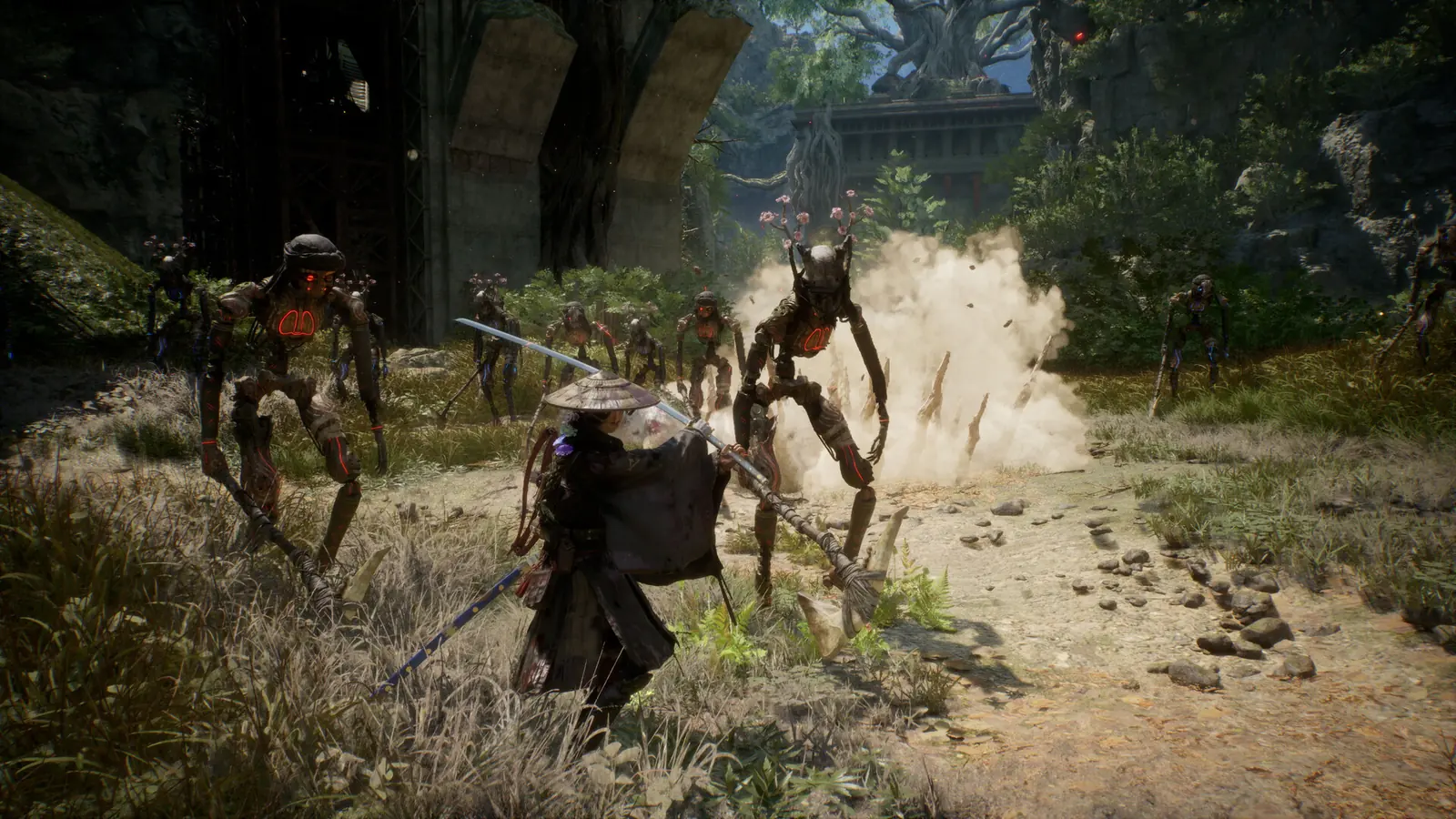
Emma: the human protagonist and sword user
Emma is the human centre of the story and the character most directly associated with immediate action. The official synopsis describes her as an outcast who carries an affliction in a world where nature has reclaimed the remains of civilisation. That is enough to establish her narrative position and the broad tone of her journey, but it is not a complete biography or a list of confirmed conditions, abilities, or motivations.
The official store description also connects Emma with swordplay and unique skill trees. Read together, those details suggest that Emma is not only a visual protagonist: she is the character through whom moment-to-moment combat and playstyle decisions are expressed. The exact sword moves, resource costs, unlock order, and strongest build remain release-version questions. The page will not convert the phrase “skill trees” into a fictional skill list.
For a new player, the practical distinction is between role and specification. Emma’s role is supported: she is the protagonist who acts with a sword in the real-time layer. A specification would be a complete move list, frame value, damage number, or named progression route. Those details need a visible in-game source or a repeatable test on a named platform and version.
| Question about Emma | What the current source supports | What still needs verification |
|---|---|---|
| Is Emma the main character? | Yes. The official premise presents her as the human protagonist travelling with Koo. | A complete biography, age, history, and late-story character development. |
| Does Emma use a sword? | Yes. Official descriptions and store material place her sword actions at the centre of the action RPG. | The full move set, inputs, damage values, and upgrade path. |
| Can players customise Emma? | The reviewed first-party pages do not confirm a character-creation system. | Appearance options, name changes, sliders, outfits, or a custom avatar. |
| Does Emma have skill trees? | The Steam description refers to unique skill trees and playstyle customisation. | The nodes, costs, unlock conditions, and best order for a specific build. |
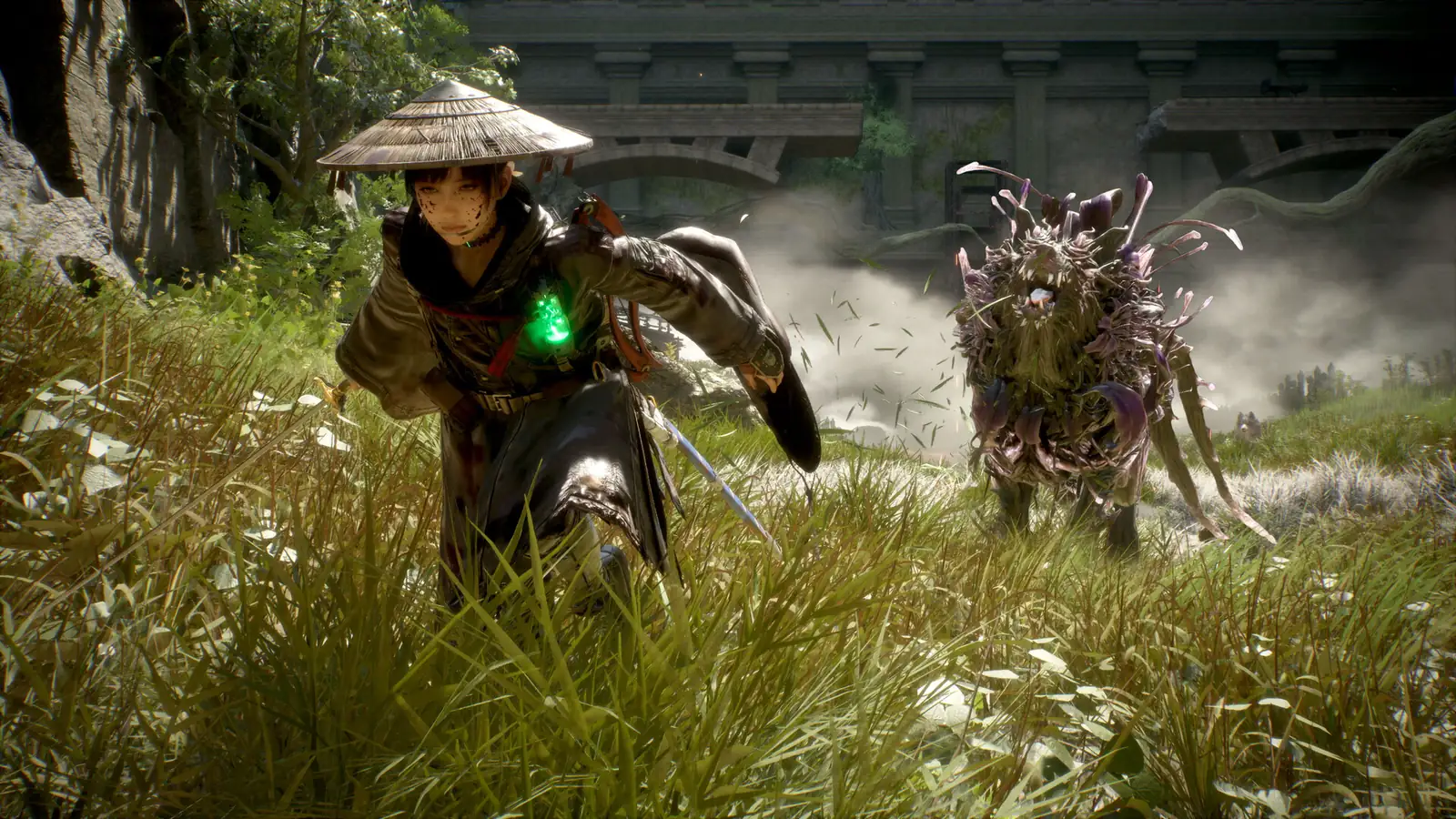
Koo: the blighted dog companion
Koo is not presented as a decorative pet. The official premise calls him a blighted dog and describes the journey as a one-person, one-dog action RPG. Store material also says that Emma and Koo’s bond and abilities grow together, which makes Koo part of the playable identity of the game rather than a side character who only appears in story scenes.
The safer way to describe Koo is as a companion whose actions and timing form a second decision layer. The existing gameplay and combat guides explain the confirmed high-level combination of real-time swordplay and command-based choices. They do not establish every command, cooldown, status effect, or AI rule. A screenshot can show Koo beside Emma or in a confrontation; it cannot prove a full companion menu or a universal combat rotation.
Koo’s label also deserves care. “Blighted dog” is a source-backed story description, not a licence to invent a species, infection system, transformation tree, or hidden origin. Until the game or a first-party story source explains those details, this guide keeps the known identity and the unknown backstory separate.
| Question about Koo | What the current source supports | What still needs verification |
|---|---|---|
| Is Koo a playable companion? | The official one-person, one-dog premise and command-based descriptions place Koo inside the action loop. | The exact controls, commands, AI behaviour, and limits of direct control. |
| What is Koo? | Koo is described by the official material as a blighted dog travelling with Emma. | The cause of the blight, species details, origin, and complete story arc. |
| Does Koo have skills? | The official description says Emma and Koo’s abilities blossom together. | A complete skill list, costs, upgrade branches, and optimal combinations. |
| Can players customise Koo? | The reviewed sources mention playstyle customisation but do not confirm a Koo editor. | Skins, colours, equipment slots, cosmetic unlocks, or companion creation. |
How Emma and Koo’s partnership shapes the game
The interesting character question is not simply whether Emma or Koo is stronger. It is how one person and one dog divide attention. Emma appears to handle the immediate physical response with a sword, while Koo gives the player another possible answer to the same threat. That structure explains why official descriptions emphasise synergy instead of describing two independent heroes.
A useful first-session model is to separate the two speeds. Read the environment and enemy with Emma, identify the problem, then decide whether Koo’s available action solves that problem. After the exchange, regain a position where both characters and the next threat are visible. This is a practical interpretation of the official action-and-command premise, not a claim about an unverified button layout.
This distinction also keeps the characters page from replacing the combat guide. Use this page to understand who the pair are and why their relationship matters. Use the combat guide for spacing, observation, short commitments, and controlled testing. Use the gameplay guide for the larger loop of exploration, threat reading, action, command, and recovery.
| Character layer | Useful question in play | Evidence limit |
|---|---|---|
| Emma’s immediate action | What can I safely read, reach, or evade right now? | Do not assume an exact move, frame, or damage value from a clip. |
| Koo’s command layer | Would the companion action solve the problem I can name? | A ready command is not proof of a fixed cooldown or automatic best choice. |
| The shared bond | Can both characters stay readable after the exchange? | A visible bond does not prove a specific progression or stat bonus. |
| Player customisation | Which choices change my preferred rhythm? | The existence of skill trees does not confirm every branch or endgame build. |
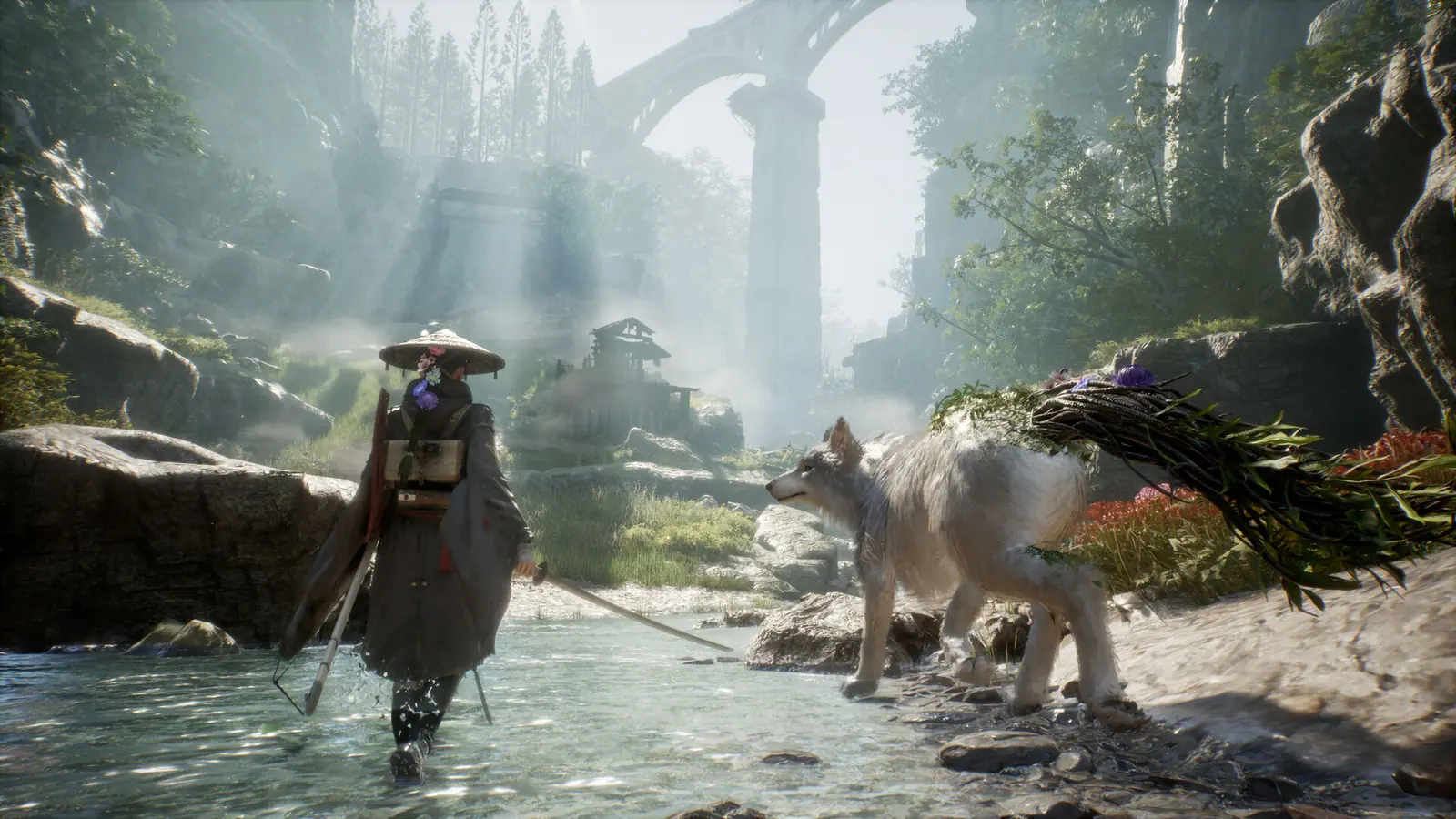
Story, supporting characters, and the evidence boundary
The official story material establishes a post-apocalyptic Japan, a world where forests emerge through the wasteland, and a journey shared by Emma and Koo. It also frames their abilities and bond as part of the game’s central appeal. Those facts can support a spoiler-light character overview without pretending to know the whole plot.
Searches for characters often expand into “all characters,” “main character,” “story explained,” “last boss,” and chapter questions. They do not all belong on this page. A future roster page should name each character from a reliable source, distinguish NPCs from enemies and companions, and give a version or story context. A story-explained page would need a separate spoiler policy and a different intent boundary.
For now, the absence of a verified list is itself useful information. It tells readers why this page focuses on Emma and Koo, why the images are captions rather than proof of hidden systems, and why terms such as “voice cast,” “character creation,” and “all bosses” remain separate research tasks instead of filler sections.
Character creation, voice cast, and other searches
The phrase “characters” can carry a customisation intent. The current first-party pages reviewed for this guide discuss Emma, Koo, skill trees, gear, and playstyle, but they do not provide a confirmed character-creation editor. Until a store feature list or in-game screen says otherwise, treat Emma as the named protagonist rather than assuming that players make a new hero.
Voice-cast searches need the same standard. A third-party database or a video title may suggest an actor, but a durable cast entry should be tied to official credits, a first-party announcement, or a clearly attributed game credit. This page intentionally leaves the English voice cast and voice-actor fields open rather than converting a low-confidence result into a fact.
The same rule applies to chapters, endings, bosses, companions, and romance. Each topic may deserve a future page once the evidence and intent are clear. It should not be folded into a character guide merely because Similarweb lists it as a related phrase.
| Related search | Decision for this page | Best next format |
|---|---|---|
| character creation | Do not claim a creator without first-party confirmation. | FAQ or a future dedicated guide if the released game confirms it. |
| English voice cast / voice actor | Do not publish names from an unverified database. | Separate cast section or page after official credits are sourced. |
| how many chapters / endings | Not a character fact and not confirmed by the reviewed sources. | Future story or completion guide with a spoiler boundary. |
| last boss / walkthrough | Gameplay and progression intent, not a roster entry. | Separate walkthrough or boss guide after reproducible play. |
How to use character information without spoilers
Before using a character claim to plan a purchase or build, run through this short check. It keeps the stable identity of Emma and Koo separate from details that can change or require a released version.
- Start with the official premise
Confirm whether the claim describes Emma, Koo, their shared journey, or a different entity. - Label the claim type
A story fact, a store feature, a screenshot observation, a review impression, and a player theory need different evidence. - Check platform and date
Character names may be stable while skill trees, bonuses, translations, and store descriptions can change. - Keep spoilers out of the answer
A character overview can explain roles and relationships without revealing late-story events or endings. - Move mechanics to the right guide
Use the gameplay or combat page for actions, commands, settings, and repeatable tests rather than extending a roster article.
Official sources and related guides
The official pages below support the high-level identity, premise, platform context, and Emma–Koo relationship used in this article. They do not all provide a complete character database.