
Beast of Reincarnation map: the safe answer first
If you searched for a Beast of Reincarnation map, begin with the distinction between a map lead and a verified map. A search result can point to a third-party interactive map, a video thumbnail, or a community location list. None of those automatically proves that the label, route, region, language, or patch matches your game. The public first-party pages we checked establish the game, Emma and Koo, the nature-reclaimed setting, and the confirmed platforms; they do not expose a permanent full-map table.
That does not make a map page useless. It changes what a reliable page should do. Instead of filling blank space with made-up area names or coordinates, use a repeatable note for every route: platform, version, objective, landmark, return point, combat boundary, and unresolved question. A note tied to a version can be corrected later. A confident coordinate copied from an unverified clip can send a completion run in the wrong direction.
The existing walkthrough already covers progression checkpoints. This page serves the narrower map intent: how to decide whether a map source is current, how to record a route while exploring, and how to connect a location note to weapons, trophies, chapters, and playtime without pretending that every system is documented.
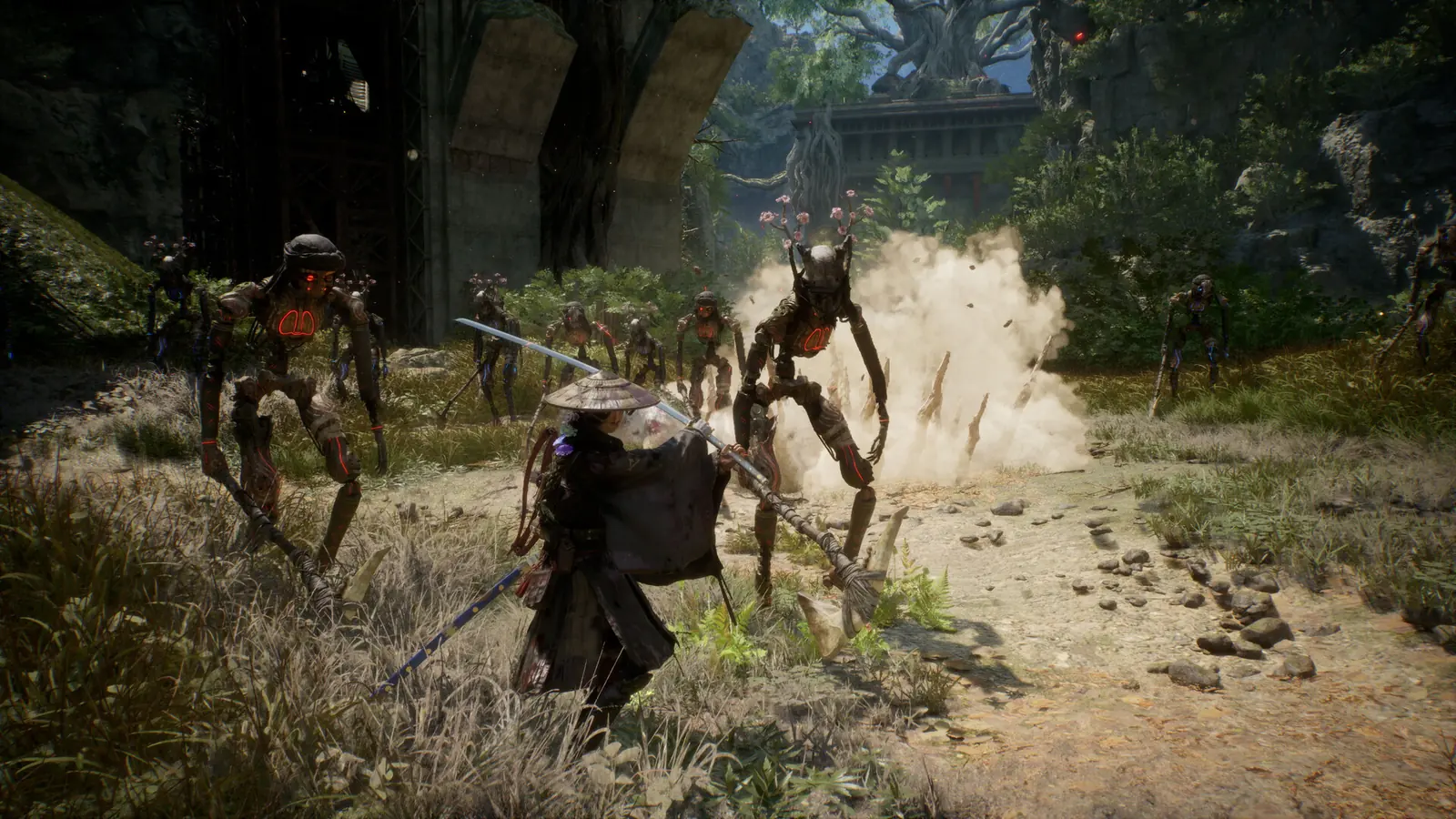
What the current map evidence supports
The official publisher page and platform listings are the right starting points for identity, release state, and broad setting. They are not a substitute for an in-game map screen. During this review, no official page supplied a full region index, map size, campsite list, shrine count, or universal chapter route. The page therefore treats those fields as open evidence rather than facts.
Similarweb shows a useful split in search intent. “Beast of Reincarnation map” has a stronger broad demand signal than the exact interactive-map phrase, while both lead toward map-focused sites. Related searches also ask for maps, camp locations, shrines, sword locations, and map size. Those terms describe what players want to find, not what this wiki can safely claim today. A good map guide answers the request while stating which part needs a current release-build check.
When you compare a third-party map, record the date you opened it and the game version it names. Check whether its labels match your language, whether its filters describe the same platform, and whether a marker is an observation, a community report, or a verified in-game location. A map can be useful as a lead even when it is not authoritative. The label should tell the reader which one it is.
| Map question | Safe answer now | What would verify it |
|---|---|---|
| Is there an official full map? | No complete coordinate list was found in the reviewed first-party pages. | A current in-game map screen or a publisher/platform source that exposes it. |
| How large is the map? | The public evidence reviewed does not establish a reliable size. | A defined unit, boundary, platform, and version from the release build. |
| Are all campsites or shrines listed? | Do not treat search snippets or one video as a complete list. | A repeatable location index with route and version context. |
| Can a third-party interactive map help? | Yes, as a dated lead after matching platform and version. | A source label, current marker set, and in-game confirmation. |
Build a map note that survives a patch
A useful map note is shorter than a walkthrough and more precise than a screenshot caption. Start with the route objective in your own words. Then name the landmark you can actually see: a ruin, a cliff edge, a bridge, a gate, a large tree, a camp-like rest point, or a change in the path. Do not turn a visual description into an official place name. Add the direction of travel and the point where you would return if a later objective sends you back.
Next, separate navigation from completion. Navigation asks how to move from the current objective to the next readable landmark. Completion asks whether the detour contains a weapon, trophy requirement, document, shrine, camp, or optional encounter. Keeping those columns separate prevents a single unexplained object from becoming a false collectible claim. The weapons guide and trophy guide can then receive a precise internal link instead of a vague “check everything” instruction.
Finally, save the context. Write the platform, region, language, patch date, and whether the observation was reproduced. If your map source says “chapter 7” but the in-game objective uses a different label, keep both strings and mark the conflict. That small discipline is more valuable than a polished diagram that cannot be matched after a localization or patch change.
- 1. Fix the context
Record platform, region, language, game version, and the date of the map check. - 2. Mark the objective
Copy the current objective in your own words and note whether it is story, combat, exploration, or cleanup. - 3. Describe a landmark
Use visible features and direction. Avoid inventing a proper name or coordinate. - 4. Add a return point
Write the door, path split, safe space, save state, or other signal that makes the route repeatable. - 5. Separate the detour
Log optional items, camps, shrines, swords, and trophies in their own rows with evidence status. - 6. Recheck before publishing
Repeat the route or cite the exact source. If it changed, update the note and reviewed date.
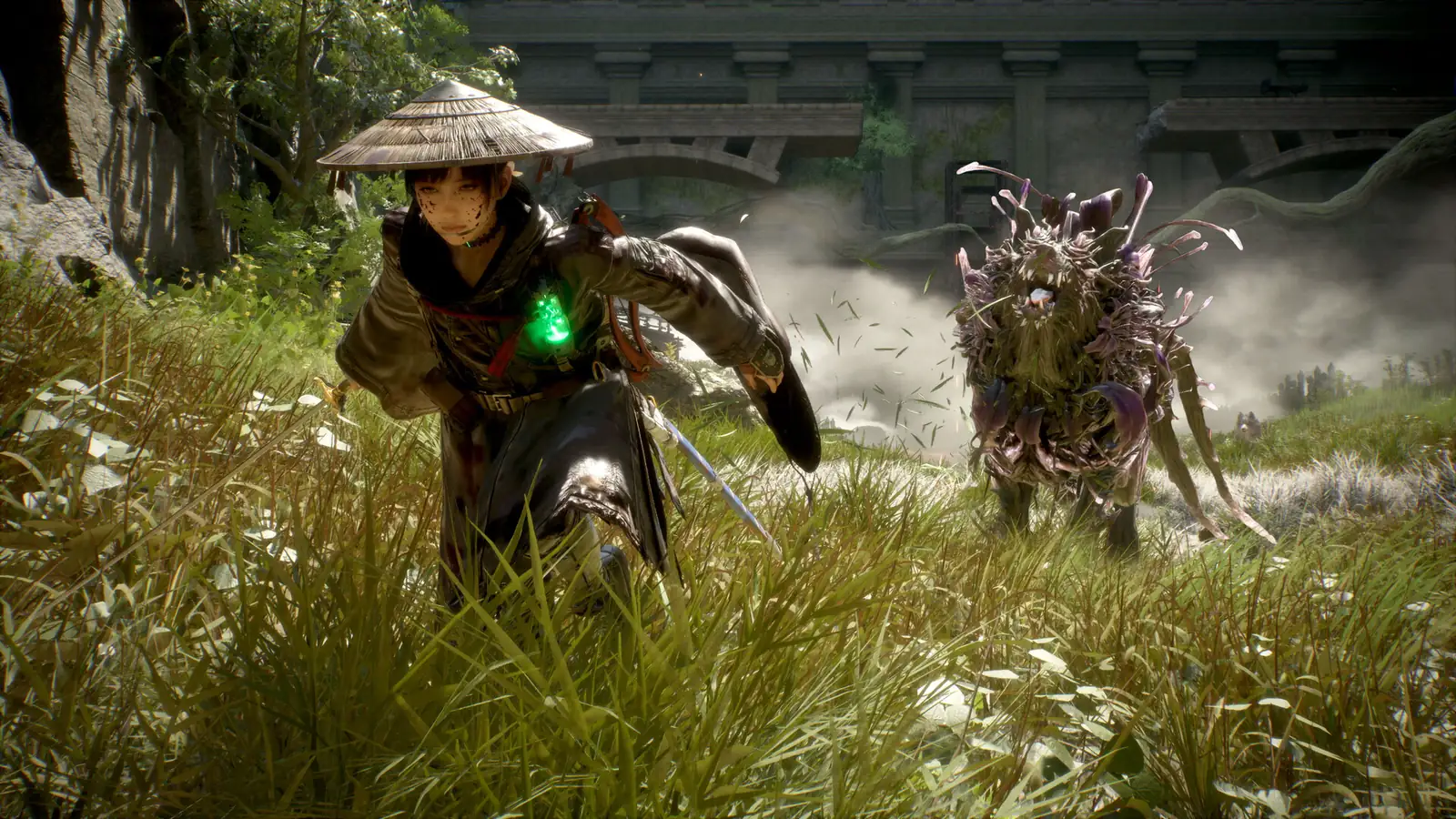
Area notes without fabricated region names
Players often want an area list before they want a map. The temptation is to turn every screenshot caption into a named zone. Resist it. A promotional image can show scale, vegetation, ruins, water, or a large threat, but it does not prove that the scene is a complete region, a chapter boundary, or a fast-travel destination. Use an evidence label such as “environment shown in official media” until the game itself supplies the name.
For a first route, maintain four lightweight area buckets: current objective space, optional return space, combat gate, and unverified lead. The first bucket tells you where to go now. The second preserves a detour for cleanup. The third records where a fight changes the route without guessing a boss or enemy roster. The fourth holds a community marker or video timestamp that needs a release-build check. This gives you the shape of a map while keeping the facts honest.
Chapters and maps are related but not identical. A chapter can cross several landmarks, and a map marker can remain useful after the story label changes. Use the walkthrough for chapter checkpoint questions and this page for the location note. If a future build exposes named regions, add the exact name, platform, language, and version instead of silently rewriting provisional labels.
| Area note | Record this | Do not claim yet |
|---|---|---|
| Current route | Objective, visible landmark, direction, return signal | A complete region name from a trailer caption. |
| Optional detour | Reason to revisit, item type, evidence status | That the item is permanently missable without testing. |
| Combat gate | Where the route becomes a fight and what is observable | Boss name, phase count, or weakness from one clip. |
| Community lead | URL or timestamp, date, platform, question to reproduce | That a community marker is official or universal. |
How to evaluate a Beast of Reincarnation interactive map
An interactive map is most useful when its filters answer a concrete question. Before relying on one, check whether it lists the game version, shows a last-updated date, identifies the platform, and distinguishes user reports from confirmed markers. If it offers a search for campsites, shrines, documents, or sword locations, open one marker and compare it with an observable landmark in your own build. A marker that cannot be reproduced is a lead, not a completion fact.
Do not copy an entire third-party marker database into this wiki. The external site owns its interface and may update locations without preserving an audit trail. Link or describe the source only when it genuinely helps the reader, label it as third-party, and keep the key conclusion in accessible text. A reader should understand the map-status answer even if an embedded map is blocked, changes URL, or requires a separate account.
The same check applies to videos. A map walkthrough can reveal a useful route, but edits can remove context, and translated chapter names can differ. Save the timestamp, watch the route in full, and compare the platform and patch before adding a note. The goal is not to reject community maps; it is to make their evidence level visible.
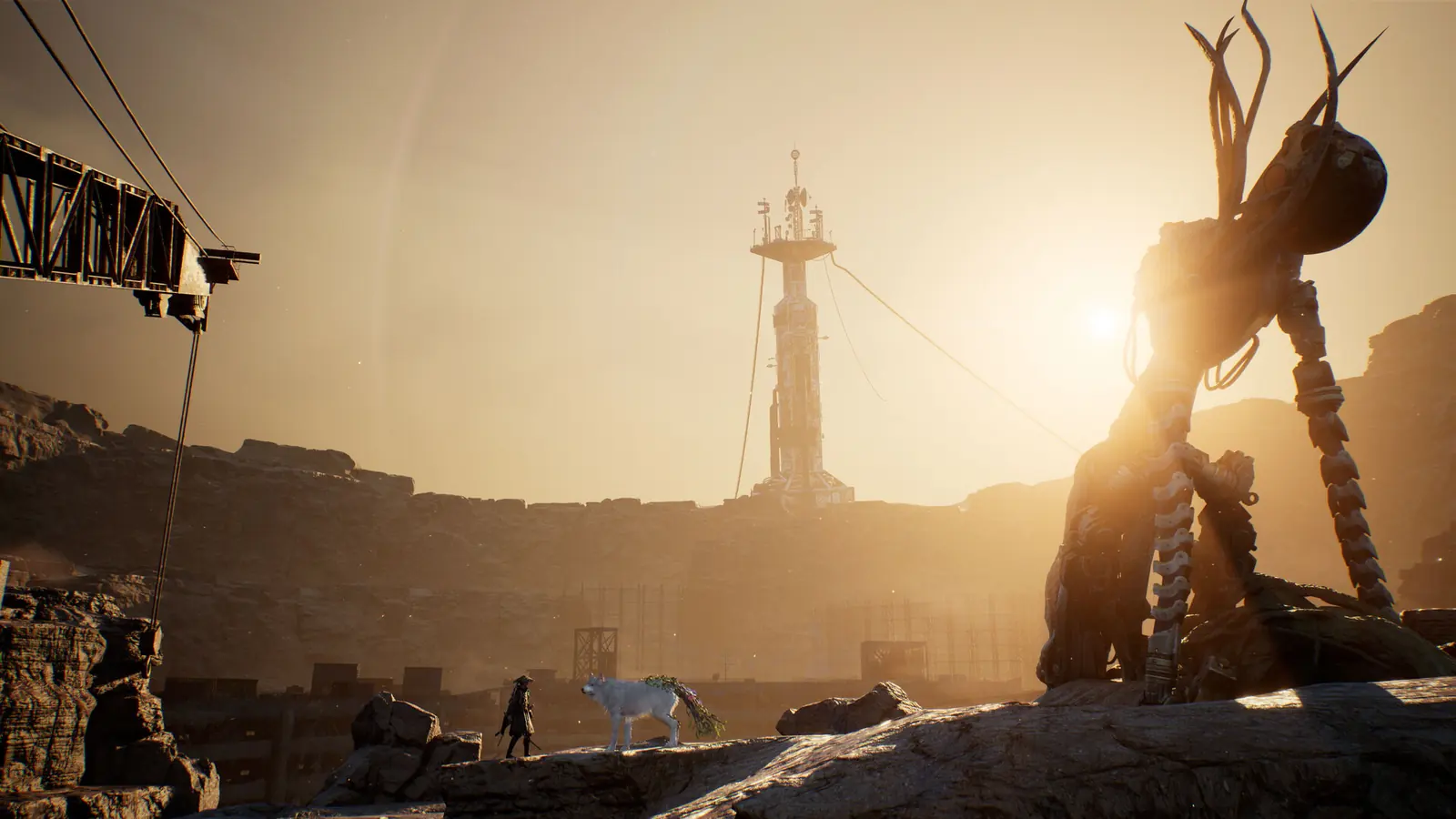
Connect the map to walkthrough and cleanup
Use the map page when you are deciding what to record and the walkthrough when you are deciding what to do next. The walkthrough’s start, mid-route, end, and evidence checkpoints are a good spine for map notes. At the start, capture the objective and a return signal. In the middle, mark side paths and a safe place to test a command. At the end, confirm the save or progression state before you call a route complete.
For weapons, link a location note only after the item name and location are reproducible. For trophies, record the achievement text and platform before claiming that a detour is required. For playtime, keep exploration and cleanup separate from the main route so a map detour does not become an unsupported campaign-length promise. These links make the site easier to use without creating four pages that all repeat the same map speculation.
A low-regret completion loop is: mark the route, finish the objective, revisit one optional lead, verify the live trophy or weapon description, and update the note with the result. If the game has no return route, leave the marker as a warning rather than declaring it missable. When the release build supplies stronger evidence, the table can grow into a complete map index without changing the page’s core structure.
- Route pass
Follow the current objective and record only landmarks you can reproduce. - Return pass
Revisit one optional branch after the objective changes and check whether the route remains open. - Collection pass
Use the live item, trophy, or chapter text; do not infer a requirement from proximity alone. - Evidence pass
Attach version, platform, source, and result to each marker before sharing it.
Official sources and related guides
The official publisher and platform pages are the authority for the game identity, broad setting, platform list, and store state. The related wiki pages answer narrower questions: walkthrough checkpoints, gameplay and combat habits, sword evidence, trophy planning, and playtime definitions. None should be read as a substitute for a current in-game map screen when a patch or platform changes the route.