
Beast of Reincarnation gameplay: the short answer
The useful way to picture Beast of Reincarnation gameplay is not as a list of isolated features. It is a repeatable cycle. You move through a nature-reclaimed world, notice a threat, preserve enough space to understand it, use Emma’s immediate sword actions, choose whether Koo’s command layer helps, and then reset your position. That cycle is the practical connection between the game’s official one-person, one-dog premise and the questions players ask before committing to a new action RPG.
The official descriptions support a single-player action RPG that combines real-time action with command-based decisions. They do not, by themselves, confirm every input, resource rule, skill value, map structure, quest length, or difficulty effect. This page therefore gives you a gameplay mental model, not invented frame data. When a statement comes from a first-party page, it is identified as a fact. When it is a useful preparation principle, it is labelled as an interpretation or test plan.
That boundary matters because gameplay searches often mix footage, previews, reviews, store copy, and speculation. A short clip can show that a character, environment, or action exists. It cannot prove that the same sequence is optimal, available early, unchanged after a patch, or representative of the whole game. The guide below keeps the visible evidence and the practical advice close together.
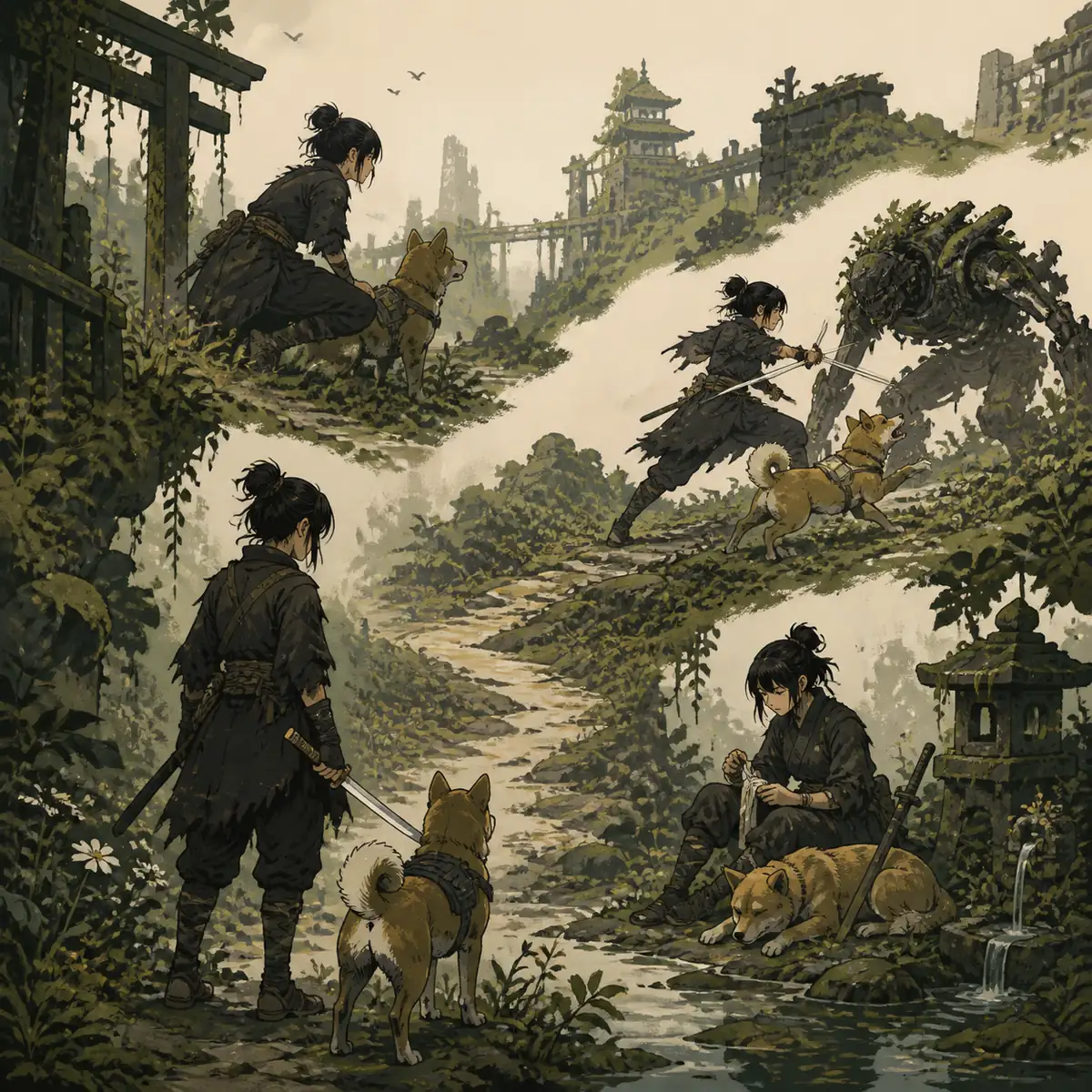
The four-part gameplay loop
The following four stages are a safe way to organize a first session. They describe decisions that can survive changes in button layout or balance, while exact systems remain tied to the released platform and version.
Explore: move for information, not only distance
A path, ruin, or overgrown space is useful when it tells you what can be seen, where an encounter might begin, and where you could retreat. Keep the camera and route readable. Rushing from one marker to the next can turn a manageable encounter into a surprise because you gave up information before you needed it.
Observe: let a threat finish one readable sequence
When a new enemy or situation appears, watch enough of its approach, action, and recovery to form a small hypothesis. You do not need a complete bestiary before acting. You need one visible signal, one safer direction, and an idea of when Emma can move again.
Act: make one short commitment with Emma
Use the smallest sword action that answers the opening you understood. A short commitment lets you compare what happened with what you expected. Longer strings, aggressive follow-ups, and unconfirmed ability interactions should wait until the release version makes their limits visible.
Recover: return to a position where the next choice is clear
A successful hit or command is not a reason to stay inside danger. Recover means seeing the enemy, Emma, Koo, and an exit again. This reset is the part many gameplay summaries omit, but it is what lets a player learn instead of trading one lucky exchange for a panic sequence.
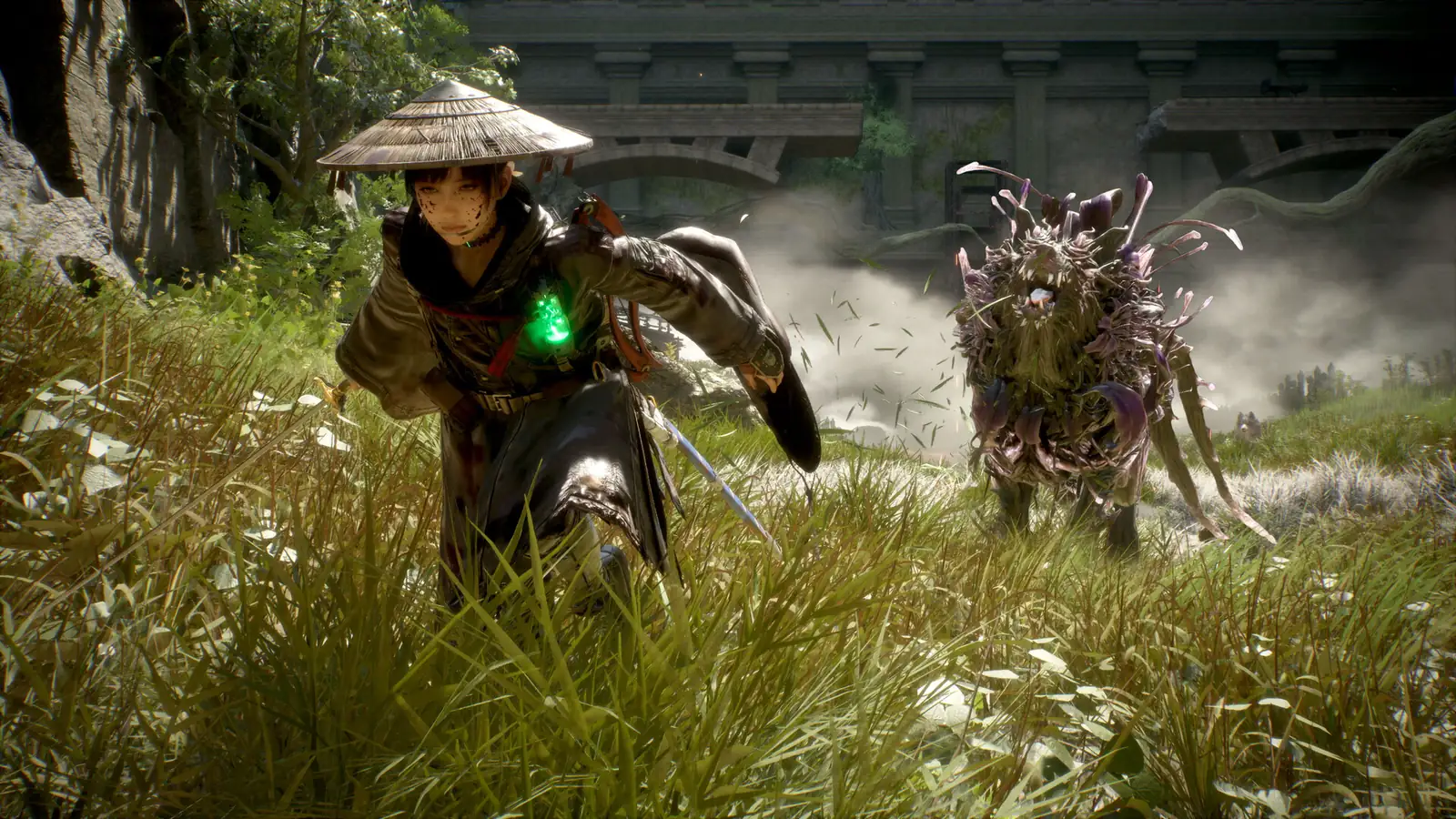
Emma and Koo create two decision speeds
Emma appears to occupy the immediate action layer: movement, position, sword timing, and responses to a visible threat happen in real time. Koo adds a deliberate companion-command layer. The point is not simply that the player has more buttons. It is that the player must decide whether a command improves the current exchange without stealing attention from an urgent movement or recovery decision.
This is why “use Koo whenever the command is ready” is a weak gameplay rule. Readiness is an option, not proof that the option is useful. If Emma is already in a dangerous animation, the target is outside the camera, or the enemy has begun a signal you do not understand, a second decision can reduce control. First make the moment readable; then choose the action that solves the problem you can name.
The existing Beast of Reincarnation combat guide goes deeper on spacing, observation, short commitments, and controlled testing. This page keeps the wider gameplay context separate: the combat loop is one part of a larger experience that also includes moving through the world, interpreting story presentation, checking platform context, and deciding which claims are ready to trust.
Do not confuse this framework with a promise that every encounter follows the same rhythm. Difficulty, equipment, later skills, enemy variants, camera behavior, and patches can change the result. A good early habit is to change one variable at a time and record the platform and version when a result is worth publishing.
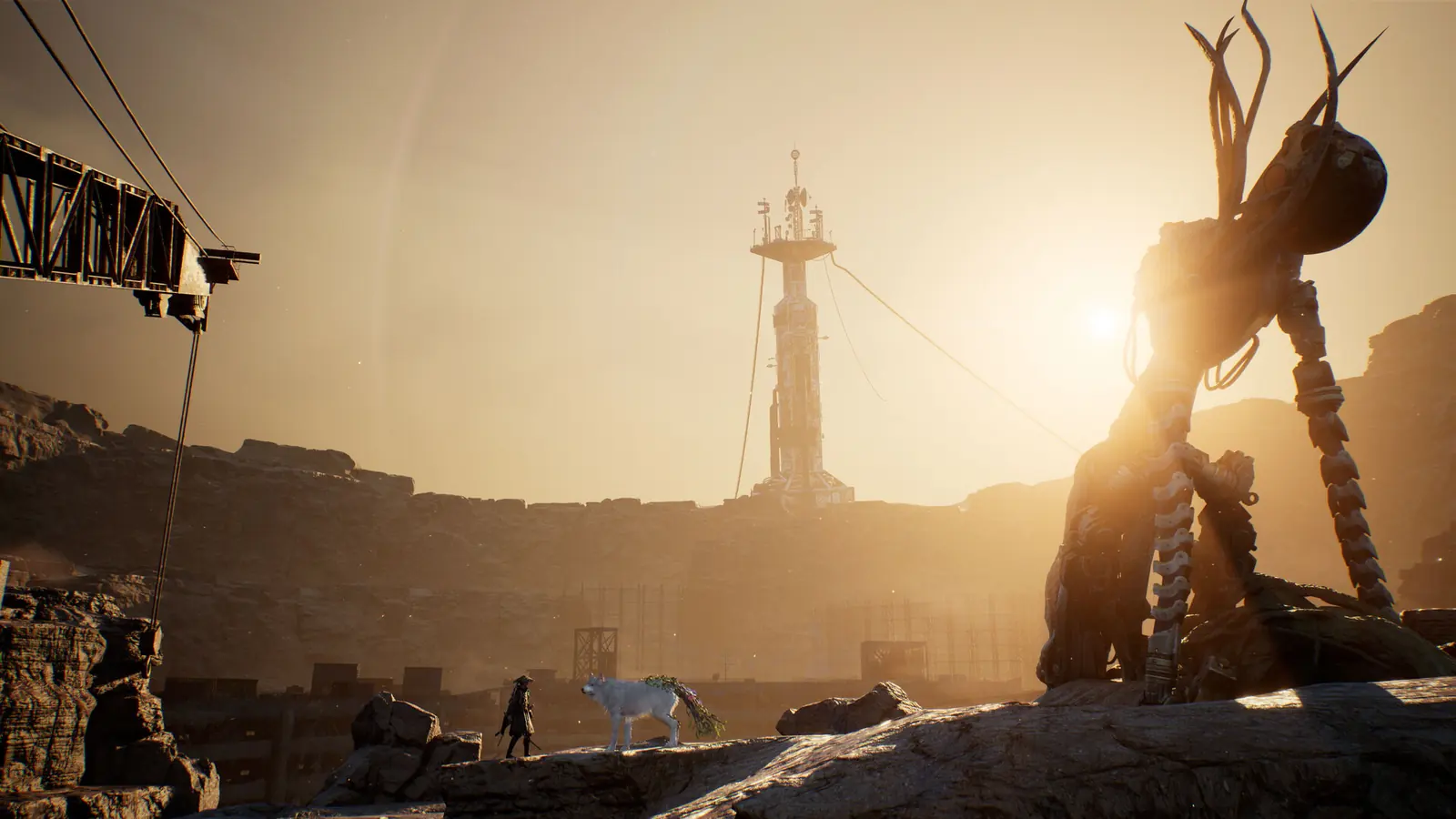
Exploration and world: read the scene without inventing a map
The official material presents a beautiful but hostile world reclaimed by nature. Existing promotional images can support that broad visual premise: ruined architecture, dense growth, large threats, and a close travelling partnership. They are useful context for what exploration feels like visually, but they do not prove the complete route network, hidden collectibles, chapter order, traversal upgrades, or the size of the finished map.
For a player, environmental reading still has practical value. Look for spaces that preserve sight lines, distinguish a likely route from a dangerous pocket, and give you room to retreat. When the scene becomes crowded, move before attacking. When a landmark is shown in a trailer, treat it as a confirmed piece of imagery rather than a promise that you can reach it at a particular story point.
The story premise also changes how the world should be read. Emma and Koo are presented as a pair, so the dog is not merely a decorative follower in the site’s description. At the same time, the public material does not justify claims about every companion ability, relationship milestone, faction, or optional quest. Those details belong in a later version-specific guide once they can be checked directly.
What the gameplay is and is not
Search results often compress games into one familiar label. A more useful answer keeps the official description, the player expectation, and the missing evidence in separate columns.
| Question | What the current evidence supports | What still needs a release-build check |
|---|---|---|
| Is it an action RPG? | Yes. First-party pages describe a one-person, one-dog action RPG. | The full progression, quest structure, and endgame loop. |
| Is it real-time? | Emma’s sword actions are described as real-time, alongside command-based decisions. | Exact inputs, recovery, resource rules, and timing windows. |
| Is it a soulslike? | The official description does not require that label; the term is an interpretation to explain carefully. | Difficulty model, checkpoint rules, loss/recovery systems, and encounter structure. |
| Is it a creature-collection game? | No such system is established by the current first-party premise; the central relationship is Emma and Koo. | The complete cast, companions, upgrades, and optional systems. |
| Is it multiplayer or a live service? | The confirmed positioning is a focused single-player action RPG. | Any future platform feature or post-launch plan must come from a new official announcement. |
| Is it a PC download guide? | The official Steam page is the PC destination; this wiki does not distribute files. | Current requirements, price, languages, and availability belong to the live store. |
A practical first-session plan
This is a learning routine, not a promise about exact controls. Use the official store and in-game tutorial for inputs, then use the sequence below to make your own observations more reliable.
- Start with the local platform context
Check the official store tied to your account for the current version, platform, accessibility options, and release state. Do not use an old video as a substitute for the current product page. - Walk before you optimize
Move through the first readable area and notice camera behavior, visibility, route shape, and the space available around a threat. The goal is to learn what the game shows you. - Watch one encounter
Let a new enemy reveal at least one approach, action, and recovery. If the camera loses the target, reposition instead of guessing what happened outside the frame. - Choose one Emma action
Use a short sword commitment and check whether you can recover into movement. Avoid stacking a new command, a new ability, and a new difficulty at the same time. - Name the purpose of Koo’s command
Before selecting it, say what problem it should solve: pressure, control, protection, setup, or recovery. If you cannot name the purpose, keep observing. - Reset after the exchange
Return to a readable distance whether the result was good or bad. This gives you a repeatable starting condition for the next test. - Write down facts and limits
Record platform, version, enemy context, action, and outcome. Mark impressions as impressions so a later page does not turn one exciting moment into a universal rule.
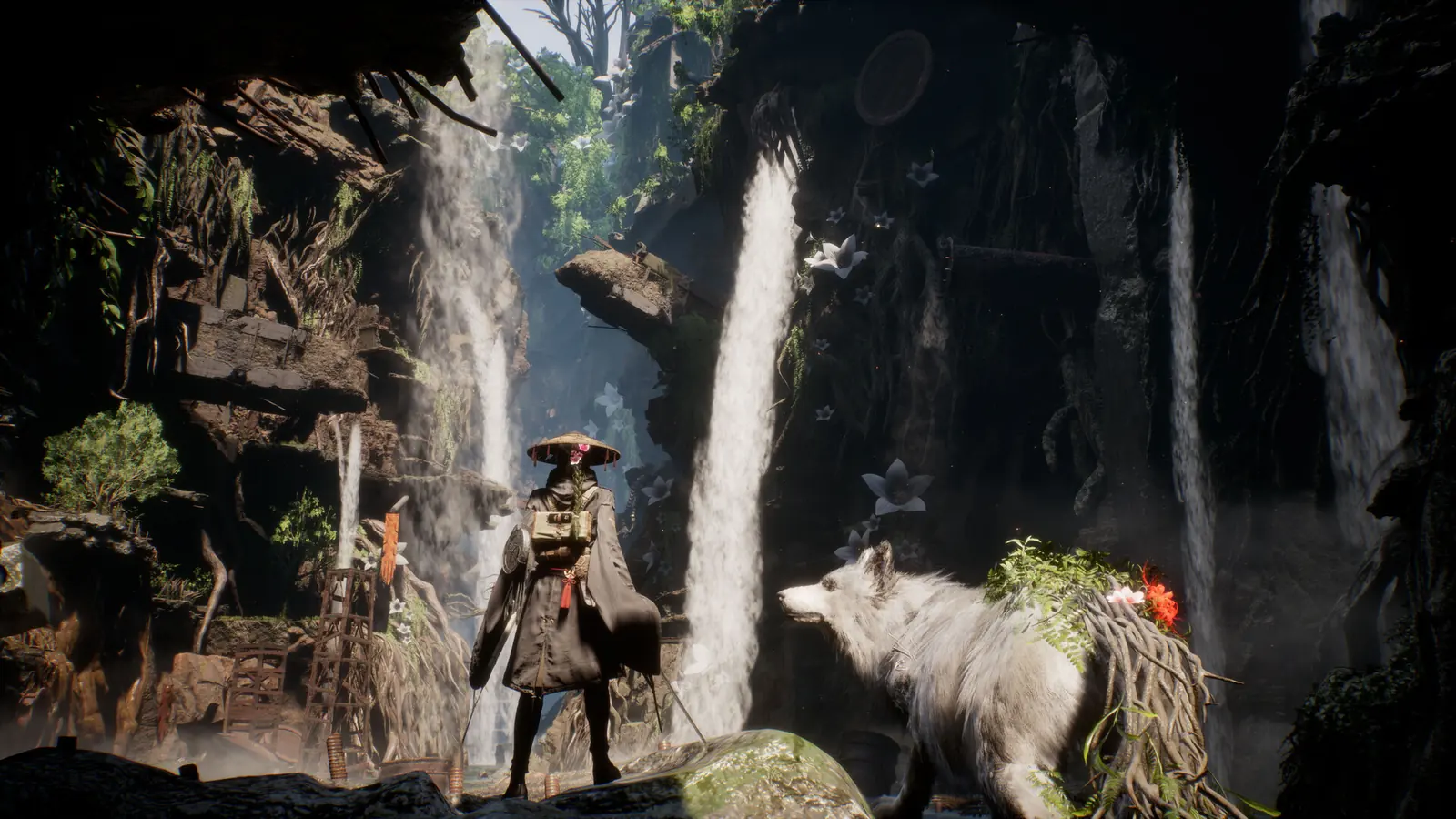
Facts versus useful inference
A gameplay guide becomes more trustworthy when it shows how far a claim travels. This table is the boundary used for this page.
| Claim type | Safe wording | Do not claim yet |
|---|---|---|
| First-party fact | The official page describes a one-person, one-dog action RPG and identifies Emma and Koo. | A complete list of systems that the page does not mention. |
| Observed visual | An official screenshot shows a ruined, overgrown environment or a large threat. | The screenshot proves a route, boss, chapter, or final map layout. |
| Transferable advice | Preserve space, observe a sequence, commit briefly, and recover. | The advice is the best build, universal combo, or exact boss solution. |
| Review signal | A dated review or aggregate can describe an impression at a point in time. | The score proves that every player will enjoy the same loop. |
| Store fact | A live platform page is the source for its current price, requirements, languages, and availability. | A cached listing is a permanent guarantee for every region or patch. |
| Community claim | A forum or video can suggest a question worth testing. | A single post is proof of a mechanic, exploit, or optimal route. |
What to recheck after patches and platform updates
Gameplay changes are not limited to damage numbers. A patch can alter command feedback, camera behavior, enemy recovery, difficulty options, subtitles, input response, performance, or the wording of a store listing. That is why a future detailed entry should state the platform, version, difficulty, relevant equipment, and test condition instead of presenting a timeless answer.
The official publisher page, PlayStation product page, and platform store are the right places to check release and product facts. The live Steam page is linked for PC context, but the current research environment could not reliably fetch it, so this guide does not copy a requirements table or make a price claim. The release and platforms guide remains the right page for region-sensitive status.
When a recommendation changes, the page should say why. “Updated” can mean that the editorial explanation became clearer, while a gameplay patch means the underlying tested behavior changed. Keeping those two events separate helps readers compare an old video, an old review, and the current build without confusing publication time with game time.
Official sources and related guides
The official publisher page supplies the high-level premise and the real-time-plus-command framing. The PlayStation page provides a first-party product description. The Steam page is the official PC destination for live store data, while GAME FREAK’s site verifies the developer identity. These sources support the scope of this guide; they do not automatically verify every mechanic or every regional store state.
For a focused combat routine, continue to the combat guide. For dates and platform availability, use the release page. For score context and buyer fit, read the review roundup. The About page explains why this wiki labels an unofficial illustration and leaves unsupported gameplay details open.